Introduction
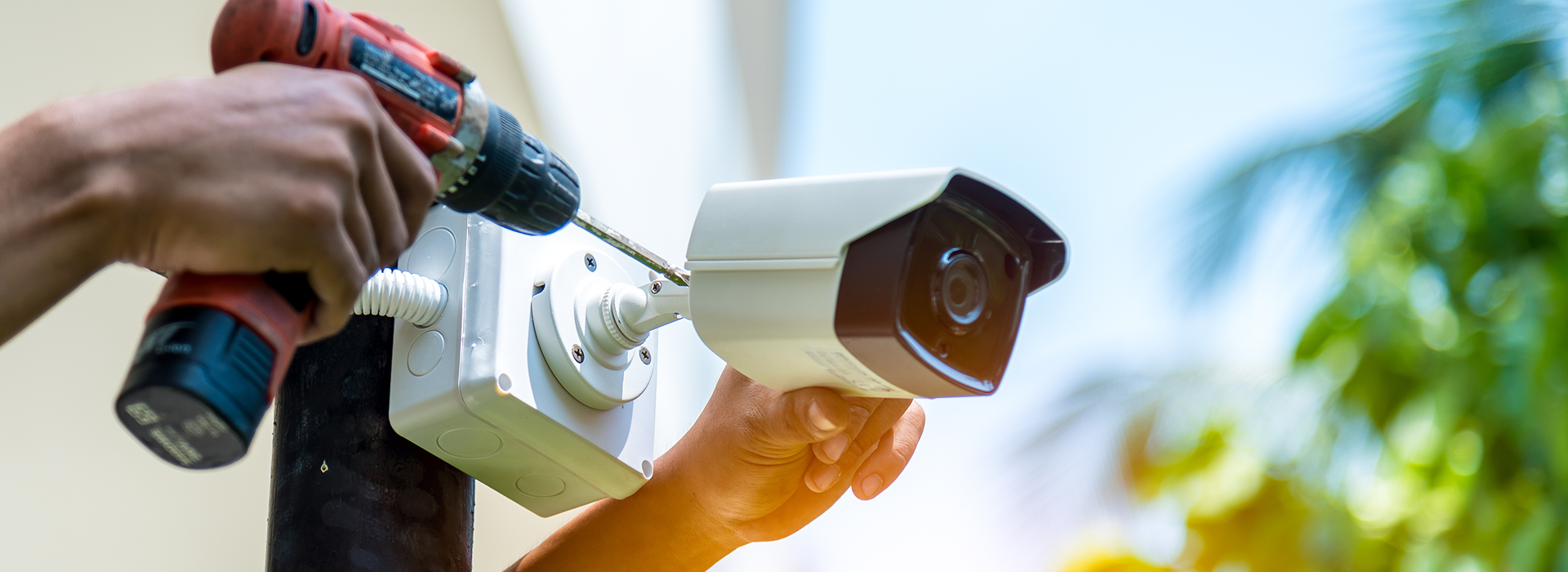
Choosing the right security camera installation Dubai solution is an important decision for homeowners, businesses, property managers, and organisations across the UAE. Dubai’s fast-paced lifestyle, high-rise buildings, busy commercial areas, extreme summer temperatures, and strong focus on safety make dependable surveillance more than a convenience-it is a practical part of modern property management. A well-designed CCTV system can help deter unauthorised activity, monitor important areas, support incident investigations, and improve day-to-day security awareness. This guide explains how CCTV systems work, what to consider before installation, and how to choose a reliable solution for your Dubai property.
Why CCTV Matters in Dubai
Dubai is known for its safe communities, modern infrastructure, and diverse mix of residential, commercial, industrial, and hospitality properties. However, every property still faces security challenges. Unauthorised access, theft, vandalism, disputes, delivery issues, workplace incidents, and vehicle damage can happen even in well-managed locations.
A professionally planned CCTV system provides continuous visibility across important areas. It can support security teams, reception staff, facility managers, and property owners by giving them a clear view of activity around entrances, exits, parking areas, reception desks, warehouses, corridors, elevators, and restricted zones.
Cameras also serve purposes beyond crime prevention. Businesses may use surveillance to:
- Monitor customer and visitor movement.
- Review workplace safety incidents.
- Improve staff and contractor accountability.
- Protect stock, equipment, and sensitive areas.
- Verify deliveries and service visits.
- Identify operational problems before they become costly.
In residential buildings, cameras can help monitor lobbies, parking spaces, building entrances, shared facilities, and service access points. For villas, surveillance may cover gates, driveways, gardens, perimeter walls, and entrances.
The most effective CCTV system is not necessarily the one with the highest camera count; it is the one designed around the property’s actual risks.
Understanding CCTV Systems
CCTV stands for closed-circuit television. Unlike public broadcasting, CCTV sends video to selected recording devices, monitors, applications, or security platforms. Modern solutions have developed considerably beyond traditional cameras connected to a single screen.
Today’s CCTV systems Dubai businesses and residents commonly use may include:
- IP cameras connected through a network.
- Network video recorders, also called NVRs.
- Digital video recorders, or DVRs, for compatible analogue systems.
- Video management software.
- Mobile and desktop viewing applications.
- Cloud or hybrid storage.
- Motion detection and smart alerts.
- Integration with access control and alarm systems.
IP camera systems are popular because they can transmit high-resolution video over a structured network. They may offer easier scalability, remote access, analytics, and integration with other security technologies. Analogue HD systems can still be suitable for certain properties, especially where existing cabling and infrastructure are already available. The right choice depends on the site layout, required image quality, storage period, lighting conditions, network capability, budget, and future expansion plans.
Types of Security Cameras
Different areas require different camera designs. Selecting a camera based only on price or resolution can lead to blind spots and poor results.
Dome cameras
Dome cameras are compact and commonly used indoors, in corridors, reception areas, retail shops, offices, and apartment buildings. Their discreet shape can make it less obvious which direction the lens is facing. Many models include vandal-resistant covers for locations where the camera may be within reach.
Bullet cameras
Bullet cameras have a visible, elongated design and are often used outdoors. They can be suitable for entrances, driveways, loading bays, perimeter walls, and open areas. Some include infrared night vision and weather-resistant housing.
PTZ cameras
Pan-tilt-zoom cameras can move horizontally and vertically while zooming in on selected areas. They are useful for monitoring large spaces such as warehouses, parking facilities, construction sites, and industrial compounds. However, a PTZ camera should not be used as a replacement for fixed cameras in every location because it may not observe all areas at once.
Turret cameras
Turret cameras offer a flexible design for indoor and outdoor use. They are often selected for villas, offices, shops, and small commercial properties because they can provide clear views while remaining relatively compact.
Thermal cameras
Thermal cameras detect heat rather than relying only on visible light. They may be useful for specialised applications, including perimeter monitoring, industrial environments, and areas where visibility is affected by darkness, dust, or smoke. They are usually part of a more advanced security design.
Video doorbells and intercom cameras
These devices can combine video, audio, visitor communication, and door-release functions. They are increasingly used in villas, offices, residential buildings, and reception areas.
Planning a Camera Installation
A successful CCTV camera installation Dubai project begins with a site assessment. Before choosing equipment, an installer should understand how people, vehicles, goods, and visitors move through the property.
Important planning questions include:
- Which entrances and exits need coverage?
- Are there areas with valuable equipment or sensitive information?
- Does the property have dark corners or obstructed views?
- How much detail is required for faces, number plates, or general activity?
- How long should recordings be retained?
- Is remote viewing required?
- Where will recording equipment and network devices be installed?
- Could the property expand or change layout later?
Camera positioning is equally important. A camera mounted too high may cover a large area but fail to capture useful facial detail. A camera pointed toward direct sunlight may produce glare during parts of the day. Outdoor cameras must also be protected from heat, dust, moisture, and accidental impact.
In Dubai, the local climate deserves particular attention. High temperatures, humidity near coastal areas, dust, sand, and strong sunlight can affect camera housings, power supplies, cabling, and recording equipment. Outdoor equipment should be selected for suitable environmental protection, while indoor equipment rooms should have appropriate ventilation and temperature control.
Image Quality and Night Vision
Camera resolution is one factor in image quality, but it is not the only one. A high-resolution camera cannot compensate for poor positioning, inadequate lighting, incorrect lens selection, or insufficient storage capacity.
When evaluating cameras, consider:
- Resolution and image sensor quality.
- Lens angle and viewing distance.
- Low-light performance.
- Infrared range for night vision.
- Wide dynamic range for bright and dark areas.
- Frame rate for moving subjects.
- Compression and storage requirements.
- Backlight and glare handling.
Wide-angle cameras can cover more space but may show less detail at a distance. Narrower lenses may provide clearer identification in a specific area but cover less of the surroundings. For a reception desk, a camera designed for facial detail may be more suitable than a wide-area camera designed only to observe general movement.
Night vision is also important for villas, parking areas, warehouses, and external entrances. Infrared illumination can help cameras record in darkness, but reflective surfaces, glass, rain, dust, and nearby walls may affect the result. Good lighting design often improves CCTV performance more effectively than simply increasing camera resolution.
Recording and Storage
A CCTV system is only useful if important footage can be found when needed. Storage planning should account for the number of cameras, resolution, frame rate, recording schedule, motion activity, compression technology, and required retention period.
Common recording approaches include:
- Continuous recording.
- Motion-based recording.
- Scheduled recording.
- Event-based recording.
- Local recording on an NVR or DVR.
- Cloud storage.
- Hybrid local and cloud storage.
Continuous recording provides a complete timeline but uses more storage. Motion recording can reduce storage requirements, although poorly configured detection may miss relevant activity or generate too many alerts.
Local recording gives the property direct control over footage and may continue operating if the internet connection fails. Cloud storage can support remote access and off-site backup, but it depends on reliable connectivity and must be managed carefully for privacy, access control, and subscription costs.
A well-designed system should also consider what happens if a camera, network switch, hard drive, or power supply fails. Uninterruptible power supplies, device health monitoring, backup configurations, and regular maintenance can reduce downtime.
Remote Viewing and Smart Features
Remote viewing allows authorised users to access live or recorded footage through a secure application. This can be useful for property owners, managers, and security personnel who are not always on-site.
However, remote access should be configured carefully. Strong passwords, multi-factor authentication, updated firmware, restricted user permissions, and secure network settings are important. Sharing one administrator account among several people makes it harder to control access or determine who viewed or exported footage.
Modern cameras may also include smart features such as:
- Human and vehicle detection.
- Line-crossing alerts.
- Intrusion-zone notifications.
- Loitering detection.
- People counting.
- Number-plate recognition.
- Tamper detection.
- Audio analytics.
These features can reduce unnecessary notifications, but they should be tested in the actual environment. Heat shimmer, shadows, reflections, moving trees, insects, and changing light can affect automated detection. Smart analytics should support human decision-making rather than replace proper monitoring procedures.
CCTV and Access Control
CCTV works particularly well when integrated with other security systems Dubai property owners may already use. Access control systems regulate who can enter a building, room, gate, or restricted area. CCTV can provide visual verification of access events.
For example, if an employee uses a card to enter a server room, the system may associate the access event with video footage from a nearby camera. In a residential building, a visitor intercom can allow occupants or reception staff to communicate with a visitor before releasing a door or gate.
An access control system Dubai property may include:
- Card or fob readers.
- Mobile credentials.
- PIN or biometric verification.
- Visitor management.
- Vehicle barriers and gates.
- Door controllers.
- Time-based permissions.
- Entry and exit reports.
Integration should be planned with attention to system compatibility, network design, user roles, emergency procedures, and data retention. CCTV can show what happened, while access control can help establish who was authorised to enter and when.
Cybersecurity for CCTV
Network-connected cameras are computing devices, so they must be protected like other parts of an organisation’s technology environment. An unsecured camera can create privacy risks, expose video feeds, or provide an entry point into a wider network.
Basic protection measures include:
- Changing default usernames and passwords.
- Installing firmware and software updates.
- Separating cameras from sensitive business systems where possible.
- Restricting remote access to approved users.
- Using encrypted connections.
- Disabling unused services and ports.
- Reviewing user permissions regularly.
- Keeping an inventory of connected devices.
- Monitoring unusual login activity.
- Securing recording servers and backup copies.
Businesses may also need broader cyber security services and solutions to protect networks, cloud accounts, endpoints, and operational technology. CCTV cybersecurity should form part of the organisation’s overall information security policy rather than being treated as an isolated technical task.
Choosing a CCTV Installer in Dubai
Selecting a CCTV installer Dubai that property owners can trust requires more than comparing quotations. A low-cost installation may appear attractive but create long-term problems if it uses unsuitable equipment, poor cabling, weak storage, or inadequate configuration.
Before appointing an installer, ask:
- Will the company conduct a site survey?
- Does the proposal show camera locations and coverage areas?
- Are equipment brands and model specifications clearly stated?
- Is the storage capacity explained?
- Does the quotation include configuration and testing?
- Are warranty and maintenance terms written clearly?
- Can the system be expanded later?
- Will the installer provide user training?
- How are remote access and cybersecurity configured?
- Is post-installation support available?
A professional installation should include clean cable routing, correct labelling, secure equipment mounting, weather-appropriate enclosures, and a documented handover. The installer should also test live viewing, recording, playback, notifications, night performance, and backup power where applicable.
Dubai properties may have specific building, landlord, community, or regulatory requirements. Businesses should confirm that their surveillance plans respect applicable privacy and security obligations, particularly when cameras monitor employees, visitors, tenants, or public-facing areas.
Maintenance and System Reliability
CCTV equipment requires regular maintenance to remain effective. Dust on lenses, shifted camera angles, damaged cables, full hard drives, outdated firmware, and failed power supplies can reduce protection without being immediately noticed.
A maintenance plan may include:
- Cleaning camera lenses and housings.
- Checking focus and viewing angles.
- Testing night vision and infrared performance.
- Reviewing recording and playback.
- Checking hard-drive health.
- Testing network connectivity.
- Confirming time and date accuracy.
- Reviewing user accounts and permissions.
- Updating firmware where appropriate.
- Checking backup power systems.
- Testing alerts and integrations.
Dubai’s climate makes external inspections especially important. Dust and heat can affect outdoor cameras and equipment cabinets, while humidity and condensation may create problems in certain environments.
Some organisations choose a planned support agreement such as SecureServe Maintenance to schedule inspections and address faults before they cause extended recording gaps. The key benefit of maintenance is continuity: a camera should be working before an incident occurs, not repaired only afterward.
Common CCTV Mistakes
Several avoidable mistakes can reduce the value of a surveillance system.
Installing cameras without a risk assessment
Adding cameras wherever space is available may leave important entrances, blind spots, or identification zones uncovered.
Choosing equipment only by resolution
More megapixels do not automatically mean better evidence. Lens selection, lighting, positioning, storage, and camera quality all matter.
Ignoring network capacity
IP cameras transmit data across a network. Insufficient bandwidth, poor switches, or unsuitable cabling may cause delays, dropped footage, or unstable connections.
Failing to secure remote access
Exposed ports, default passwords, and shared administrator accounts can create serious vulnerabilities.
Forgetting maintenance
A camera covered in dust or pointed at the sky is technically installed but practically ineffective.
Recording everything without a retrieval plan
Large volumes of footage can become difficult to search. Clear camera names, accurate time settings, motion filters, and user training make investigations faster.
Final Considerations
A dependable CCTV solution begins with understanding the property, its people, its assets, and its security risks. Security camera installation Dubai projects should focus on useful coverage, clear images, resilient equipment, secure remote access, suitable storage, and ongoing maintenance-not simply the largest number of cameras.
Whether the location is a villa, office, shop, warehouse, residential tower, school, or industrial facility, a carefully designed system can improve visibility and support faster, better-informed responses. By combining CCTV with access control, alarm monitoring, sound cybersecurity practices, and regular maintenance, property owners in Dubai can build a more complete and reliable security strategy.
