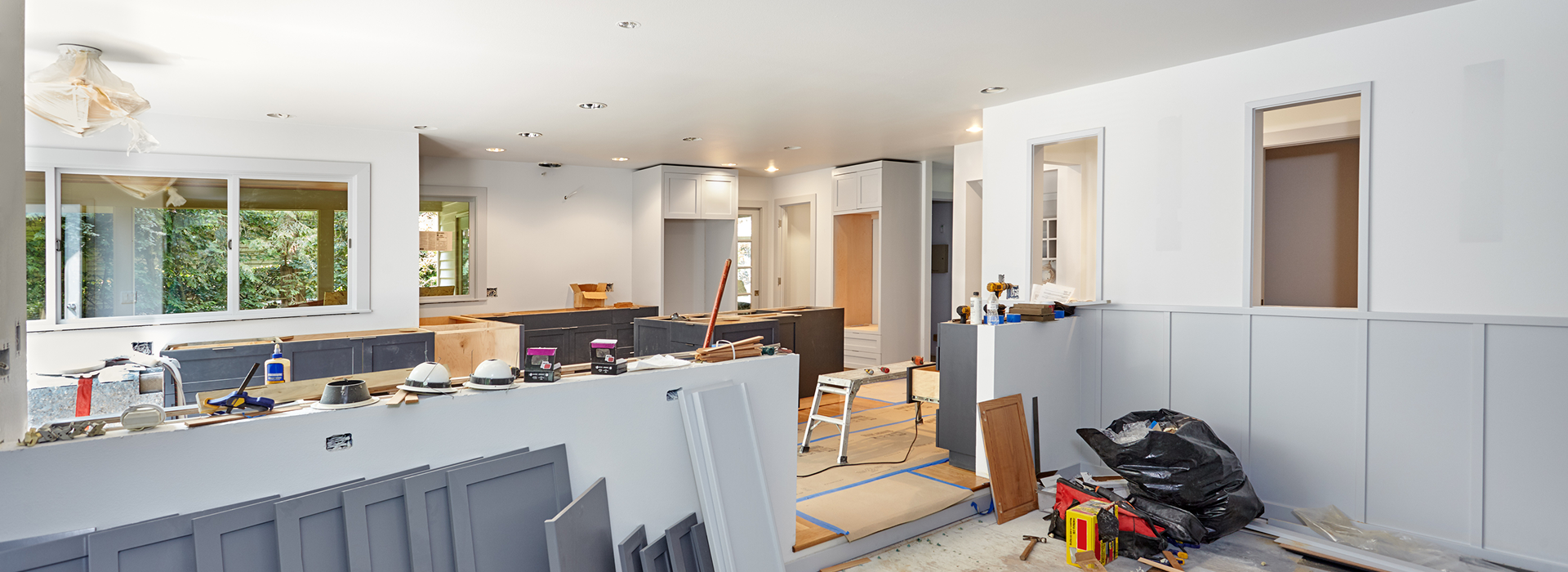
Every renovation starts with the same feeling – a home that no longer quite fits the way you live in it. Whether it’s a kitchen that feels dated, a layout that doesn’t work anymore, or simply years of wear catching up with the finishes, apartment renovation Dubai searches tend to spike whenever residents reach that point. It’s a big decision, and one that’s easy to get wrong without proper planning.
Dubai’s rental cycles, building regulations, and climate all shape how a renovation should be approached here, often quite differently from other cities. This guide walks through what actually goes into planning a renovation – from cost expectations to permissions and timing – so you can approach the process with a clearer picture of what’s ahead.
Why Renovation Needs Look Different in Dubai
A few local factors make renovation planning in Dubai a little different from what you might expect elsewhere.
Building regulations vary by community. Apartments in managed towers often require approval from building management or the developer before any structural or plumbing work begins, while standalone villas typically have more flexibility but still need to follow municipality guidelines for larger changes.
Climate affects material choice. Intense heat and humidity mean certain materials – particularly flooring, paint, and sealants – need to be chosen with durability in mind, not just appearance. What works well in a milder climate may not hold up the same way here.
The rental market moves fast. With a large portion of Dubai’s population renting rather than owning, many renovations are tied to lease cycles, move-outs, or preparing a property for a new tenant, which affects both timelines and scope.
What Actually Drives Renovation Costs
One of the most common questions homeowners ask before starting is simply: how much will this cost? The honest answer is that it depends heavily on scope, but a few factors consistently influence the final number.
Size of the space. Larger apartments naturally require more materials and labour, though cost doesn’t always scale in a perfectly linear way – smaller spaces with complex layouts can sometimes cost more per square foot than larger, simpler ones.
Scope of work. A cosmetic update, like fresh paint and new fixtures, costs significantly less than a full renovation involving flooring, electrical rework, and layout changes.
Material quality. Mid-range and premium finishes vary widely in price, and this is usually where budgets shift the most, particularly for kitchens and bathrooms.
Building access and logistics. High-rise apartments sometimes involve stricter working-hour restrictions and material transport rules, which can add time and, in some cases, cost to a project.
Rather than working from a single average figure, it’s more useful to think in terms of scope, as shown below.
| Renovation Scope | Typical Focus Areas | General Timeline |
| Cosmetic refresh | Painting, minor fixture updates, flooring touch-ups | 1–2 weeks |
| Kitchen or bathroom renovation | Cabinetry, tiling, plumbing, fittings | 2–4 weeks per room |
| Full apartment renovation | Flooring, electrical, plumbing, walls, finishes | 4–8 weeks |
| Villa renovation | Multiple rooms, exteriors, structural updates | 2–4 months |
These timelines are general guidelines rather than fixed rules – building approval processes, material availability, and the complexity of existing infrastructure can all shift a project’s timeline in either direction.
Planning a Renovation Step by Step
1. Define the Scope Clearly
Before requesting quotes, it helps to be specific about what’s actually needed. Are you refreshing finishes, or making structural or layout changes? This distinction affects everything from budget to permissions required.
2. Check Building or Community Approval Requirements
For apartments, this usually means checking with building management before any plumbing, electrical, or structural work begins. Skipping this step is one of the most common causes of renovation delays in Dubai’s residential towers.
3. Set a Realistic Budget with Contingency
It’s common practice to set aside an additional 10–15% of the total budget for unexpected issues, such as plumbing that needs replacing once walls are opened up, or electrical wiring that doesn’t meet current standards.
4. Choose the Right Renovation Partner
Whether you’re looking at renovation services in Dubai for a single room or a full property, it’s worth asking for examples of past work, a clear breakdown of costs, and a realistic timeline before signing off on any project.
5. Plan Around Your Living Situation
Larger renovations often require residents to relocate temporarily, particularly if plumbing or electrical systems are being reworked. Planning this in advance avoids last-minute disruption.
Kitchen and Bathroom Renovations: Where Most Budgets Go
Kitchen renovation in Dubai projects tend to involve the most planning, since they combine cabinetry, plumbing, electrical work, and finishes in a relatively compact space. Layout changes, in particular, can significantly affect both cost and timeline, so it’s worth deciding early whether you’re keeping the existing layout or reworking it entirely.
Bathroom renovation in Dubai comes with its own considerations, particularly around waterproofing. Given the humidity levels in parts of the city, proper waterproofing beneath tiling isn’t optional – it’s one of the most important steps to get right, since fixing it after the fact usually means redoing the tiling altogether.
Both spaces tend to have the highest return in terms of daily comfort, which is why many homeowners prioritise them even when working with a limited renovation budget.
Apartment vs. Villa Renovation: Key Differences
While the fundamentals overlap, apartment and villa renovation projects differ in a few important ways.
Apartments generally involve tighter logistics – limited working hours, shared elevators, and building management coordination all factor into planning. Space constraints also mean layout changes need to be considered carefully, since there’s often less flexibility to reconfigure walls.
Villas, by comparison, typically allow more scope for structural changes, exterior work, and phased renovations, since homeowners aren’t working within shared building constraints. However, villas often involve more surface area overall, from multiple bedrooms to outdoor spaces, which can extend both budget and timeline.
If your project spans both a Dubai Marina apartment and coordination with a building management team, for instance, apartment renovation Dubai Marina projects often need extra lead time simply to secure the necessary approvals before work can begin.
Renovation vs. Ongoing Maintenance
It’s worth distinguishing between a renovation and routine upkeep, since the two are often confused.
Apartment maintenance in Dubai typically covers smaller, recurring tasks – fixing leaks, servicing AC units, repainting worn walls, or replacing fittings that have reached the end of their lifespan. A renovation, by contrast, is a larger, more deliberate overhaul aimed at changing or upgrading a space significantly, not just maintaining it.
Many homeowners find that consistent maintenance actually reduces how often a full renovation is needed, since small issues get addressed before they compound into larger, costlier problems.
Painting and Finishing: The Final Layer That Ties It Together
Painting and renovation work in Dubai often go hand in hand, since fresh paint is typically one of the final steps in any renovation project. Beyond aesthetics, paint choice matters in this climate – heat-resistant and washable finishes tend to hold up better over time, particularly in high-traffic areas like hallways and kitchens.
Getting the sequencing right matters too. Painting too early, before flooring or fixture installation is complete, often means touch-ups are needed later, which adds unnecessary time and cost to a project.
Final Thoughts
A well-planned apartment renovation Dubai project comes down to clarity – knowing the scope, understanding realistic costs, and accounting for the approvals and logistics specific to this city. Whether it’s a single kitchen refresh or a full home renovation Dubai project spanning multiple rooms, the homeowners who plan carefully upfront tend to end up with far smoother projects than those who start without a clear picture of what’s involved.
At SecureServe Maintenance, the approach to renovation is grounded in the same principle that applies to all property upkeep – good planning prevents most of the problems that derail a project. Taking the time to think through scope, budget, and approvals before work begins will always make the process easier to manage from start to finish.
