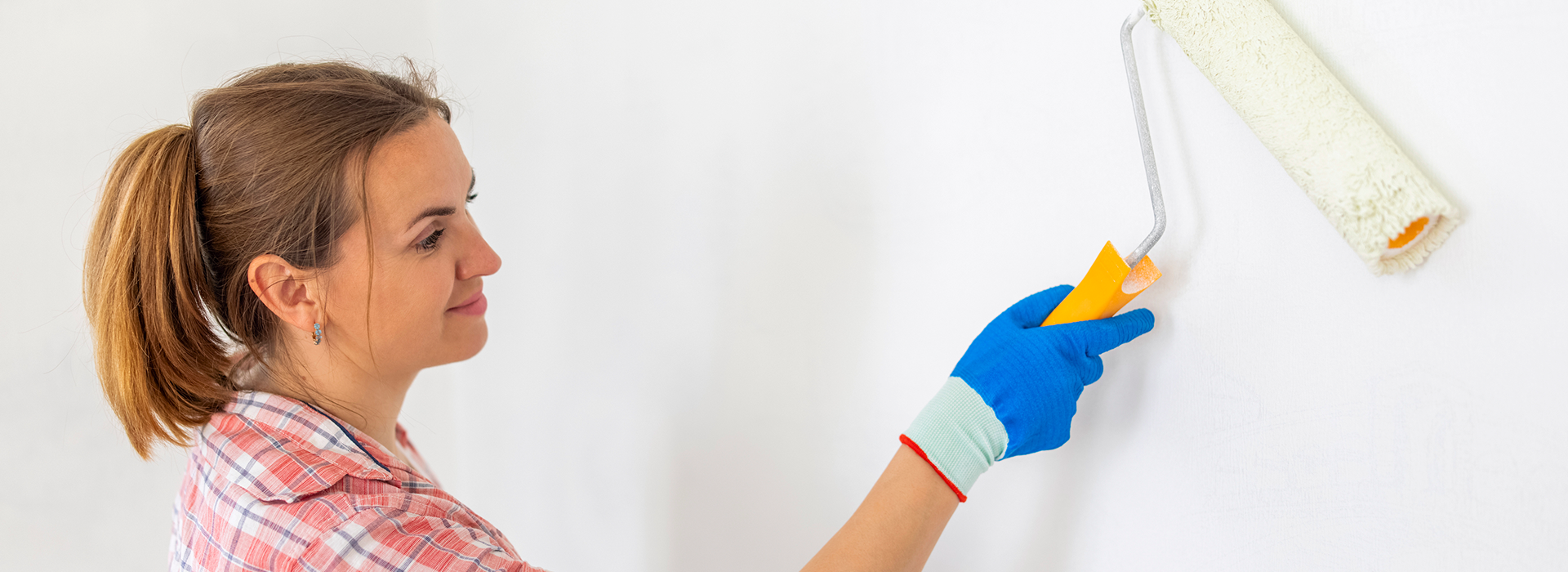
A fresh coat of paint can completely transform the look and feel of a home, but in Dubai, painting isn’t quite as simple as picking a colour and getting started. Between intense sun exposure, high humidity, and constant air conditioning, choosing the right wall painting service matters just as much as choosing the right shade. Whether you are refreshing an apartment, repainting a villa, or updating an office space, understanding what goes into a proper paint job in this climate can help you avoid costly mistakes and get results that actually last.
Choosing the right wall painting service Dubai provider can make a noticeable difference to the look, feel, and durability of your property. From choosing the right colours and finishes to preparing the walls properly, several factors can affect the final result.
Why Painting in Dubai Is Different
Painting a home in London, Toronto, or Mumbai doesn’t come with the same challenges as painting one in Dubai. The combination of extreme heat, low humidity in summer, and dust means paint behaves differently here than in most other climates. Walls exposed to direct sunlight, especially west-facing ones, can experience surface temperatures well above ambient air temperature, which affects how paint cures and how long it retains its colour.
Additionally, most homes in Dubai run air conditioning almost year-round, creating temperature differences between indoor and outdoor walls that can cause condensation, particularly in bathrooms, kitchens, and rooms with poor ventilation. This is why wall painting Dubai professionals often recommend moisture-resistant or anti-fungal paints, even for interior walls that might not seem obviously exposed to humidity.
Signs It’s Time to Repaint
Not sure if your space actually needs a fresh coat? Here are some common indicators:
- Fading or discolouration – UV rays cause pigments to break down faster in Dubai than in cooler climates, so colours that looked vibrant two years ago may now appear washed out.
- Cracking or peeling near windows and bathrooms – These are usually early signs of moisture getting trapped beneath the paint layer.
- Chalky residue when you touch the wall – This indicates the paint’s binder has broken down, often from prolonged sun exposure.
- Visible marks, scuffs, or old touch-ups that don’t match – A full repaint often looks more cohesive than patchy spot fixes, especially in high-traffic areas like hallways and entryways.
- Musty smell in specific rooms – This can point to moisture buildup behind the paint, which a simple touch-up won’t resolve.
If you are noticing two or more of these signs, it’s usually a good time to bring in a professional painting service Dubai team rather than attempting a quick DIY fix that may not address the underlying issue.
Choosing the Right Paint for Dubai’s Climate
Not all paints perform equally well in this environment. A good painter in Dubai will typically recommend acrylic emulsion paints with UV resistance for exterior walls, since these hold colour longer and resist cracking under heat stress better than standard oil-based options.
For interiors, washable and moisture-resistant finishes are worth the slightly higher cost, especially in kitchens, bathrooms, and children’s rooms. Matte finishes tend to hide wall imperfections well but can be harder to clean, while satin or eggshell finishes offer a middle ground between durability and appearance – a popular choice for busy households.
It’s also worth discussing VOC (volatile organic compound) levels with your painter. Low-VOC paints are increasingly preferred in Dubai homes, particularly in air-conditioned, well-sealed apartments where ventilation is limited and indoor air quality matters more than people often realise.
Villa Painting vs Apartment Painting: What’s Different
The approach to villa painting services in Dubai often differs quite a bit from apartment painting services in Dubai, mainly due to scale and exterior exposure.
Villas typically require attention to both interior and exterior surfaces, and exterior walls face direct sun, sand, and occasional rain, which means they need more durable, weather-resistant coatings. Villa owners should also budget more time for the process, since larger surface areas, boundary walls, and sometimes multiple floors are involved.
Apartments, on the other hand, usually only need interior work, but painters still need to account for shared building factors – such as coordinating with building management for access, protecting shared corridors during transport of materials, and working within any building-specific rules about working hours or paint fumes in shared ventilation systems. Painting services in Dubai Marina and other high-rise communities, for example, often need extra coordination with building facilities teams compared to standalone villa projects.
Office Painting: A Different Set of Priorities
Office painting Dubai projects come with their own considerations, since downtime directly affects business operations. Most commercial painting work is scheduled during evenings, weekends, or in phases to avoid disrupting daily operations.
Beyond scheduling, offices often prioritise durability and low odour over intricate colour schemes, since high foot traffic means walls need frequent cleaning and touch-ups. Many businesses also factor in brand colours or corporate identity guidelines, which means precise colour matching becomes an important part of the process – something worth discussing clearly with your painting company in Dubai before work begins.
Don’t Forget the Details: Doors and Trim
While wall colour tends to get most of the attention, door painting Dubai work is often overlooked, even though doors experience more daily wear than most wall surfaces. Constant opening, closing, and hand contact means door paint chips and dulls faster, particularly on entry doors exposed to outdoor heat and dust.
A cohesive paint job usually includes doors, window frames, and skirting boards, not just walls. Skipping these details can leave a space looking unfinished, even if the walls themselves look great. Trim and doors typically need a more durable, semi-gloss or gloss finish, since these surfaces need to withstand more friction and cleaning than flat wall areas.
What a Professional Painting Process Should Look Like
A rushed paint job rarely holds up well in Dubai’s climate. Here’s what a thorough process typically includes:
- Surface inspection and preparation – Checking for cracks, moisture damage, or old flaking paint that needs to be addressed before applying anything new.
- Cleaning and sanding – Removing dust, grease, and uneven texture so the new paint adheres properly.
- Priming – Especially important on walls with moisture issues or significant colour changes, as primer helps with even coverage and paint longevity.
- Application in appropriate conditions – Avoid painting during periods of extremely high humidity or direct midday heat on exterior walls, which can affect how the paint cures.
- Multiple coats where needed – A single coat rarely provides even, long-lasting coverage, particularly with darker or bolder colours.
- Final inspection and touch-ups – A reliable provider will walk through the space with you afterward to catch any missed spots or uneven areas.
Skipping steps like proper preparation or priming is one of the most common reasons paint jobs fail early in Dubai homes, so it’s worth asking any painter in Dubai you are considering how they handle each of these stages.
How to Choose a Reliable Painting Company in Dubai
With so many options available, it helps to know what separates dependable providers from the rest:
- Portfolio and experience – Ask to see examples of previous villa, apartment, or office projects similar to yours.
- Clear, written quotes – Reputable companies outline labour, materials, and timeline upfront, avoiding vague pricing that can change midway through the project.
- Knowledge of local conditions – A team familiar with Dubai’s climate will naturally steer you toward paints and finishes suited to heat and humidity, rather than generic recommendations.
- Proper insurance and safety practices – Especially important for villa exteriors or multi-storey work involving scaffolding.
- Post-project support – Good providers offer some form of follow-up in case touch-ups are needed shortly after completion.
Providers such as SecureServe Maintenance are often chosen by homeowners looking for painting support as part of a broader home maintenance relationship, rather than a one-off job – which can be useful if you are also planning other repairs alongside your paint refresh.
Final Thoughts
Painting a home or office in Dubai involves more than just picking a colour – it’s about understanding how heat, humidity, and daily use affect a wall’s condition over time. From choosing the right finish to timing the project around Dubai’s seasons, a little planning goes a long way toward results that last.
Whether you are refreshing a single room or planning a full villa repaint, working with an experienced wall painting service Dubai homeowners trust can make the difference between a paint job that looks good for a few months and one that holds up for years.
