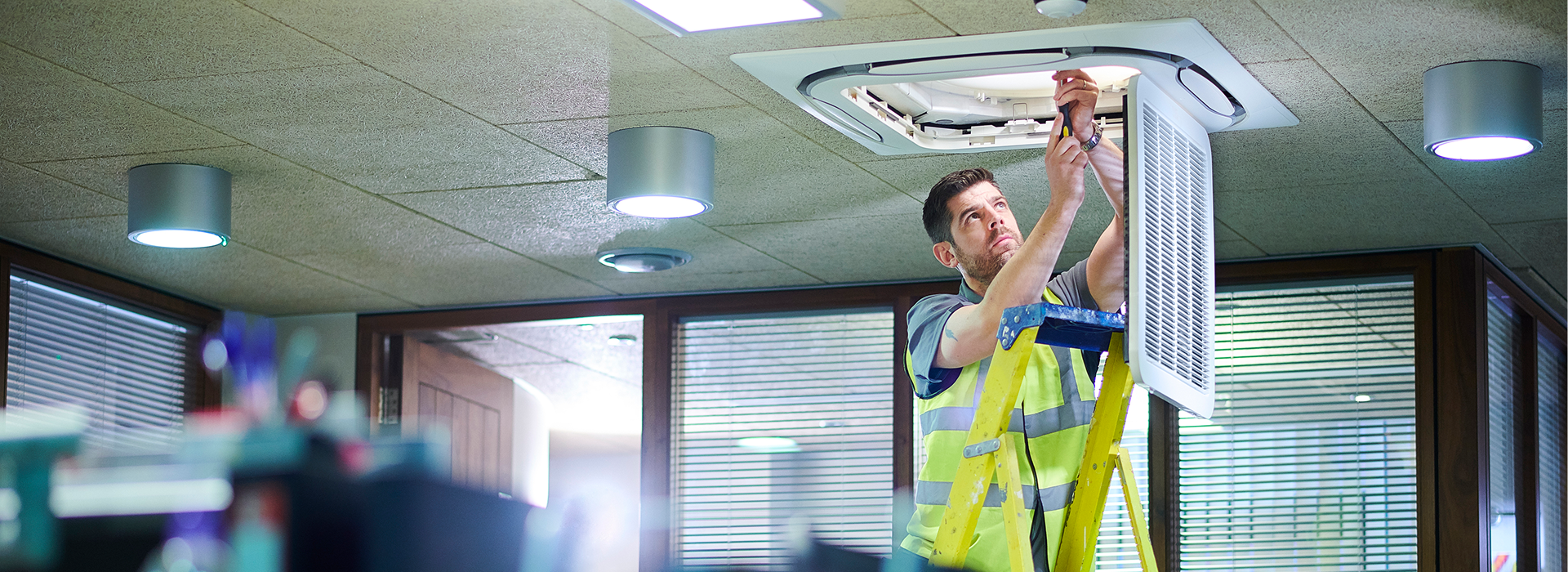
There are few things more disruptive in Dubai than an air conditioner that stops working properly. With outdoor temperatures regularly climbing past 45°C in summer, air conditioning repair Dubai searches spike every year as homeowners and businesses realise just how much daily life depends on a functioning cooling system. An AC unit here isn’t a comfort feature – it’s closer to essential infrastructure.
Because the systems run almost continuously for much of the year, they also wear down faster than in milder climates. Understanding what typically goes wrong, which warning signs shouldn’t be ignored, and how repair differs from routine maintenance can help you avoid a breakdown at the worst possible time – usually the middle of summer, when demand for technicians peaks.
Why Dubai’s Climate Puts Extra Strain on AC Systems
Air conditioning units in Dubai work harder than almost anywhere else in the world. Several local factors combine to shorten their lifespan and increase the likelihood of faults.
Near-constant operation. Most homes and offices run their AC systems for the better part of the year, not just during a short summer season. This continuous use accelerates wear on compressors, fans, and filters.
Extreme outdoor heat. When outdoor units are exposed to prolonged high temperatures, they have to work significantly harder to maintain indoor comfort, which increases strain on mechanical components.
Fine desert dust. Dust and sand particles clog filters and coils faster than in other climates, restricting airflow and forcing the system to consume more energy for the same output.
This is why routine HVAC maintenance in Dubai isn’t optional in the way it might be elsewhere – it’s a practical necessity for keeping systems reliable through the hottest months.
Common Causes Behind AC Breakdowns
Most air conditioning failures in Dubai homes and offices trace back to a handful of recurring issues.
Dirty or Clogged Filters
This is by far the most common cause of reduced cooling performance. Dust builds up quickly in Dubai’s climate, and a clogged filter forces the system to work harder, which can eventually lead to compressor strain or complete failure if left unaddressed.
Refrigerant Leaks
Low refrigerant levels are a frequent reason systems struggle to cool a space effectively. Leaks often develop gradually and aren’t always obvious until cooling performance noticeably drops.
Blocked Drainage Lines
Humidity levels, particularly in areas closer to the coast, can cause condensation lines to clog or develop mould. This often shows up as water pooling near an indoor unit – an early sign that shouldn’t be ignored.
Electrical and Capacitor Issues
Constant use puts pressure on electrical components over time. Capacitor failures and wiring issues are common causes of a unit that won’t switch on or that switches off unexpectedly during operation.
Outdoor Unit Overheating
Outdoor condenser units exposed to direct sun for extended periods can overheat, especially if airflow around the unit is restricted by dust, debris, or poor installation positioning.
Warning Signs You Shouldn’t Ignore
Catching a problem early is almost always cheaper and less disruptive than waiting for a full breakdown. A few signs are worth paying close attention to.
1. Warm air coming from vents even when the thermostat is set correctly.
2. Unusual noises such as grinding, rattling, or clicking during operation.
3. A noticeable rise in electricity bills without a change in usage habits.
4. Water leaking or pooling near an indoor unit.
5. Persistent musty or burning odours when the system is running.
6. The system short-cycling – turning on and off more frequently than usual.
If any of these sound familiar, it’s usually worth calling a technician before the issue escalates into something that requires a full AC repair service in Dubai rather than a simple fix.
Repair, Maintenance, or Replacement: Knowing the Difference
Not every AC issue calls for the same response, and understanding the distinction can save both time and money.
AC maintenance and repairs in Dubai typically cover routine servicing – filter cleaning, coil inspection, refrigerant checks, and general upkeep designed to prevent problems before they start. This is the kind of work that should happen on a set schedule, not just when something goes wrong.
Repair work, on the other hand, addresses a specific fault: a failed capacitor, a refrigerant leak, or a malfunctioning thermostat, for example. These are reactive fixes aimed at restoring normal function.
Replacement becomes the more sensible option when a unit is old, requires frequent repairs, or when the cost of fixing it repeatedly starts to approach the cost of a new, more energy-efficient system. As a general guide, if a unit is over 10 years old and needs a major repair, it’s worth getting a professional opinion on whether replacement makes more financial sense long-term.
When You Need Emergency AC Repair
Some situations can’t wait for a scheduled appointment. A complete system failure during peak summer heat, a burning smell coming from any part of the unit, or visible electrical sparking are all situations that call for emergency AC repair Dubai services rather than routine booking.
It’s worth knowing in advance which providers in your area offer same-day or emergency response, particularly if you live in a busy residential zone. For instance, AC repair Dubai Marina and AC service Al Barsha are both areas with high demand during summer months, and response times can vary significantly between providers during peak season. Having a trusted contact before an emergency happens is far more useful than searching under pressure.
New Installations: What to Know Beforehand
If you are moving into a new property or replacing an aging system altogether, air conditioning installation Dubai projects come with a few considerations worth thinking through in advance.
Sizing matters more than most homeowners expect. A unit that’s too small will run constantly and struggle to cool the space, while an oversized unit can cycle on and off too frequently, leading to uneven temperatures and unnecessary wear. A proper load calculation, based on room size, insulation, and sun exposure, should always precede installation.
Positioning of the outdoor unit also matters in Dubai’s climate specifically. Units placed in direct, unshaded sun for most of the day tend to work harder and experience more wear than those positioned with some natural shade or airflow consideration.
Simple Habits That Extend an AC System’s Lifespan
A few consistent habits can meaningfully reduce how often a system needs repair.
Clean or replace filters regularly. In Dubai’s dusty conditions, this should happen more frequently than manufacturer guidelines suggest for milder climates – roughly every four to six weeks during peak usage.
Schedule seasonal servicing. A professional check before the start of summer can catch small issues before they turn into breakdowns during the hottest months.
Keep outdoor units clear. Removing dust, leaves, or debris from around the outdoor unit helps maintain proper airflow and reduces strain on the compressor.
Avoid extreme thermostat settings. Setting a unit to an unnecessarily low temperature doesn’t cool a space faster – it simply forces the system to work harder than needed.
Final Thoughts
Given how central air conditioning is to daily life in the UAE, staying ahead of AC repair Dubai needs rather than reacting to a breakdown makes a meaningful difference – both in comfort and in cost. Whether it’s routine HVAC repair Dubai, a seasonal service, or catching an early warning sign before it becomes a full system failure, a little attention throughout the year goes a long way in a climate this demanding.
At SecureServe, property maintenance is approached with the understanding that reliable cooling isn’t a luxury in Dubai – it’s a core part of keeping a property comfortable and functional year-round. Staying proactive, rather than waiting for an AC repair near me search to become urgent, is always the better long-term approach.
